


SERVICES
Tuesday February 15, 2011
IMF: Ireland Hitting Bailout Targets
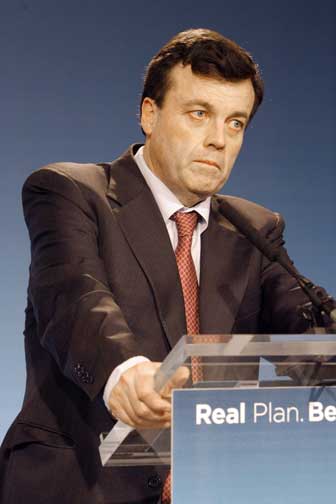
The first review of the loan program agreed by Ireland and the IMF/EU at the end of last year shows the country is meeting targets set down. The IMF report said budgetary targets had been met, but warned that there were still significant challenges ahead in overhauling the banking system. The interim review was written by an IMF team who visited Ireland during January. It acknowledged that among the Irish public, there was "a lingering perception of inequitable burden sharing" and warned that the fragile political environment could mean delays in sorting out the banking system. The report says Ireland is experiencing a modest export-led recovery, but said its banks remain under stress. Tax and spending is on target but the public remains skeptical and emigration is continuing. It says the IMF had expected higher capital spending by the government in the budget. The next review will not take place until after a new government has been put in place. The bailout deal is a hot topic in the general election, with both Fine Gael and Labour calling for it to be renegotiated. Meanwhile, Finance Minister Brian Lenihan has thrown any new government an immediate ten billion euro headache. Under the terms of the IMF/EU bailout, the government had been due to inject €10bn in Bank of Ireland, Allied Irish Bank and EBS Building Society by the end of February. But Mr Lenihan said he believed the government no longer had "a mandate" to put more money into the banks and shelved the injection of capital until after the election. He had sought the approval of the European Commission to delay the recapitalization until after the election on the day the Dail was dissolved. It means the new government will have to put billions into the banks within days of taking office. FG finance spokesman Michael Noonan said it was a "classic FF election stroke" and accused the minister of not wanting to announce bad news in the final weeks of an election. Mr Lenihan concedes that the €10bn injection will have to be made regardless of who is in government and said he didn't want the money to be open to "very substantial political misrepresentation" during the campaign. Both the IMF and EU were quick to point out that they expected the delay to be "temporary" and that it was important the recapitalization of Irish banks went ahead as soon as possible. |

CURRENT ISSUE

RECENT ISSUES


SYNDICATE
[What is this?]
POWERED BY

HOSTED BY

Terms of Service | Privacy Policy
Website Design By C3I